
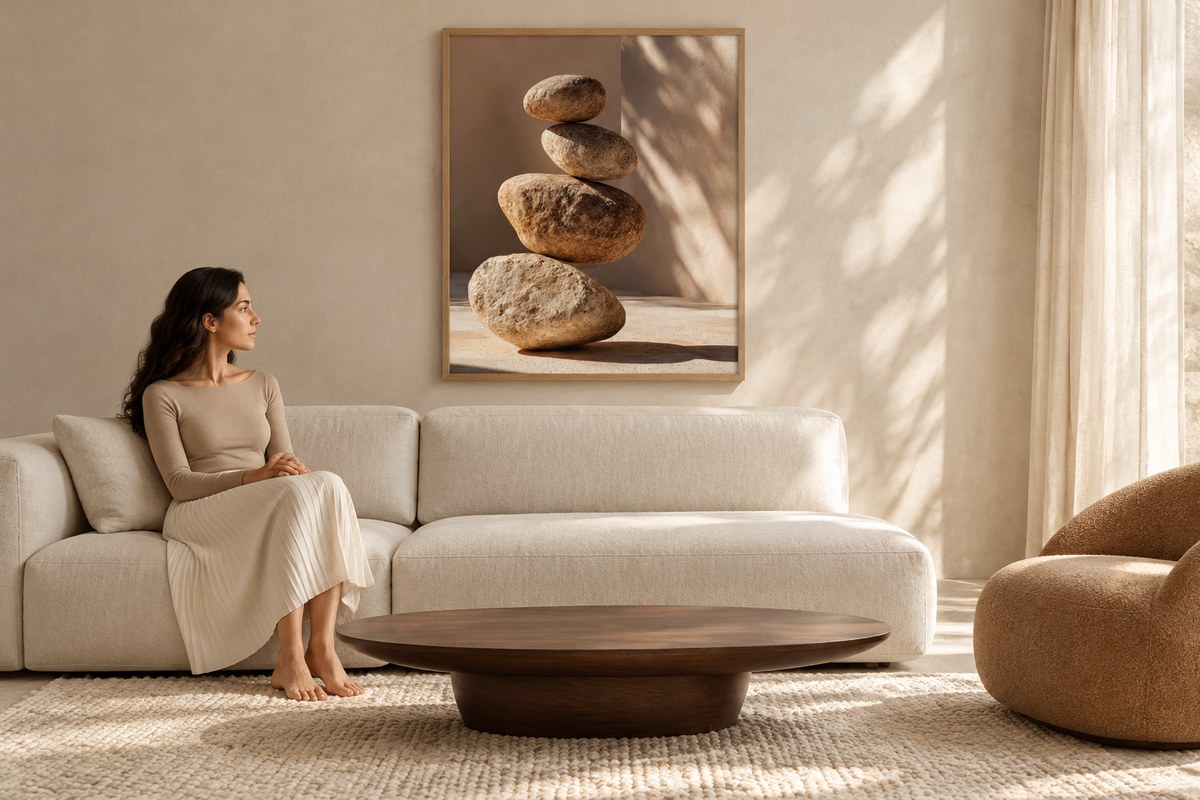
Zen decor: creating a calming atmosphere with wall art
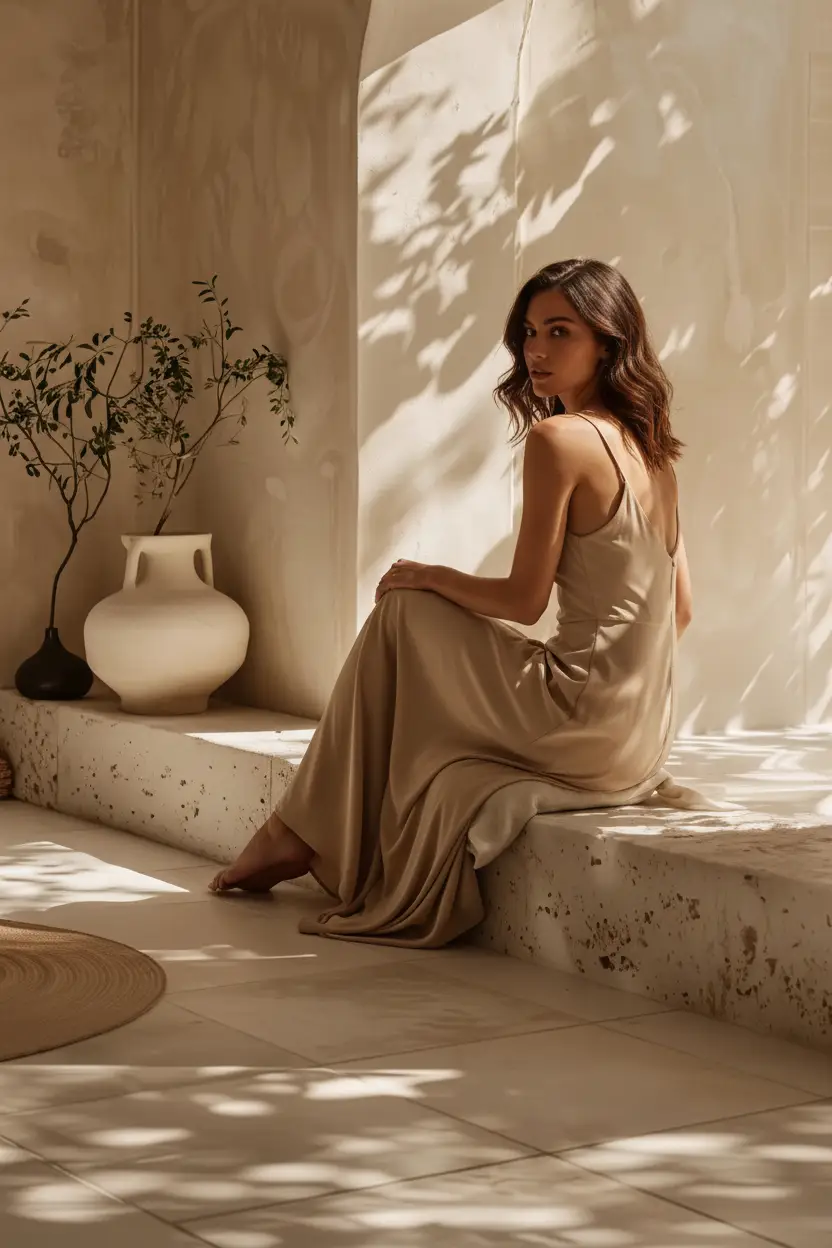
A zen room is not an empty room. It is a room where nothing shouts: no object demanding attention, no colour that jars, no wall telling ten stories at once. You walk in and your gaze settles. It is an effect you build, with very little — and wall art is often the deciding piece.
What “zen” means in interior design
The word comes from Japanese Buddhism, but in interior design it means something very concrete: a home that soothes. Three principles are enough. Fewer objects, each one in its place. Calm lines — horizontal, low, rounded — rather than sharp angles and restless verticals. Natural materials that age well, and soft light, never harsh.
What you take away counts as much as what you add. A clear shelf, a bare wall around a single image, a coffee table with nothing on it: emptiness is part of the composition.

The Stacked Pebbles — from 39 €
The zen palette: tones that ask for nothing
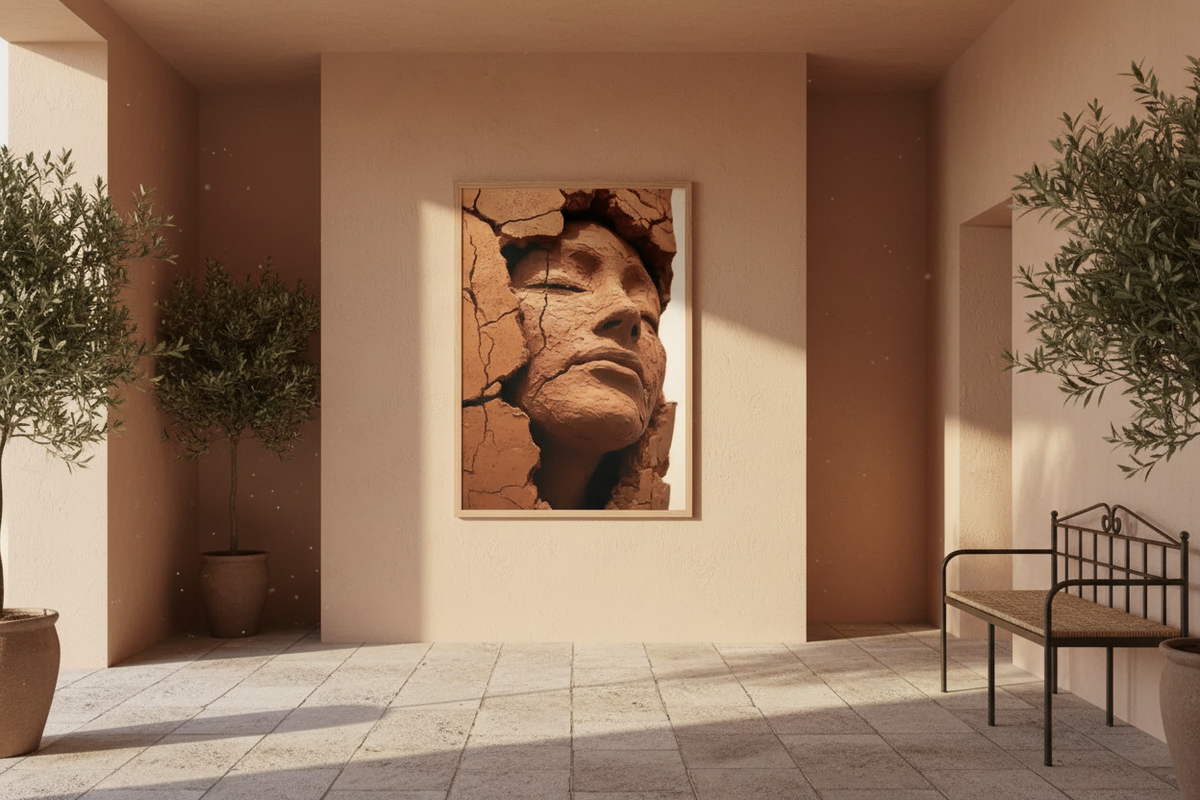
Beige, sand, ivory and stone grey form the base. These are colours that don't impose themselves: they absorb the light rather than bounce it back. A pale earth tone or a softened terracotta warms them without breaking the calm.
Green comes in through small touches — a plant, an olive branch, a sage cushion — as a reminder of the natural world. What to avoid: saturated colours, stark black-and-white contrasts, and bluish whites that chill everything.
Materials: stone, wood, linen, terracotta
A zen atmosphere is something you touch as much as something you see. Stone and travertine bring stability, pale wood warmth, crumpled linen softness, terracotta a handmade feel. What they share: they are imperfect, and it is their imperfection that soothes.
Few materials, but genuine ones. Better a stoneware bowl on an oak table than a pile of resin “decor” objects. Travertine in particular is making a strong comeback for this very reason — we have devoted an article to it: travertine in interior design.

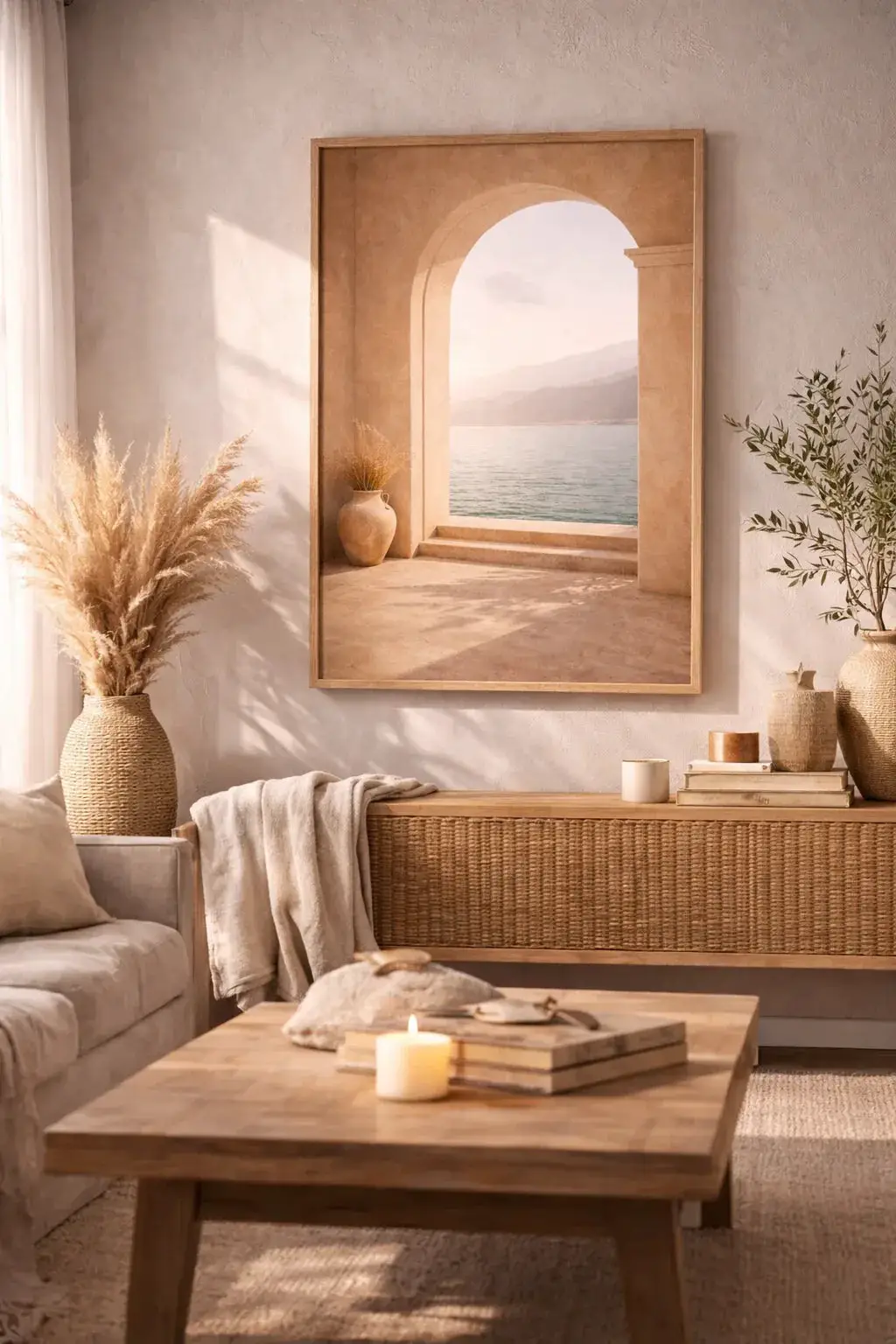
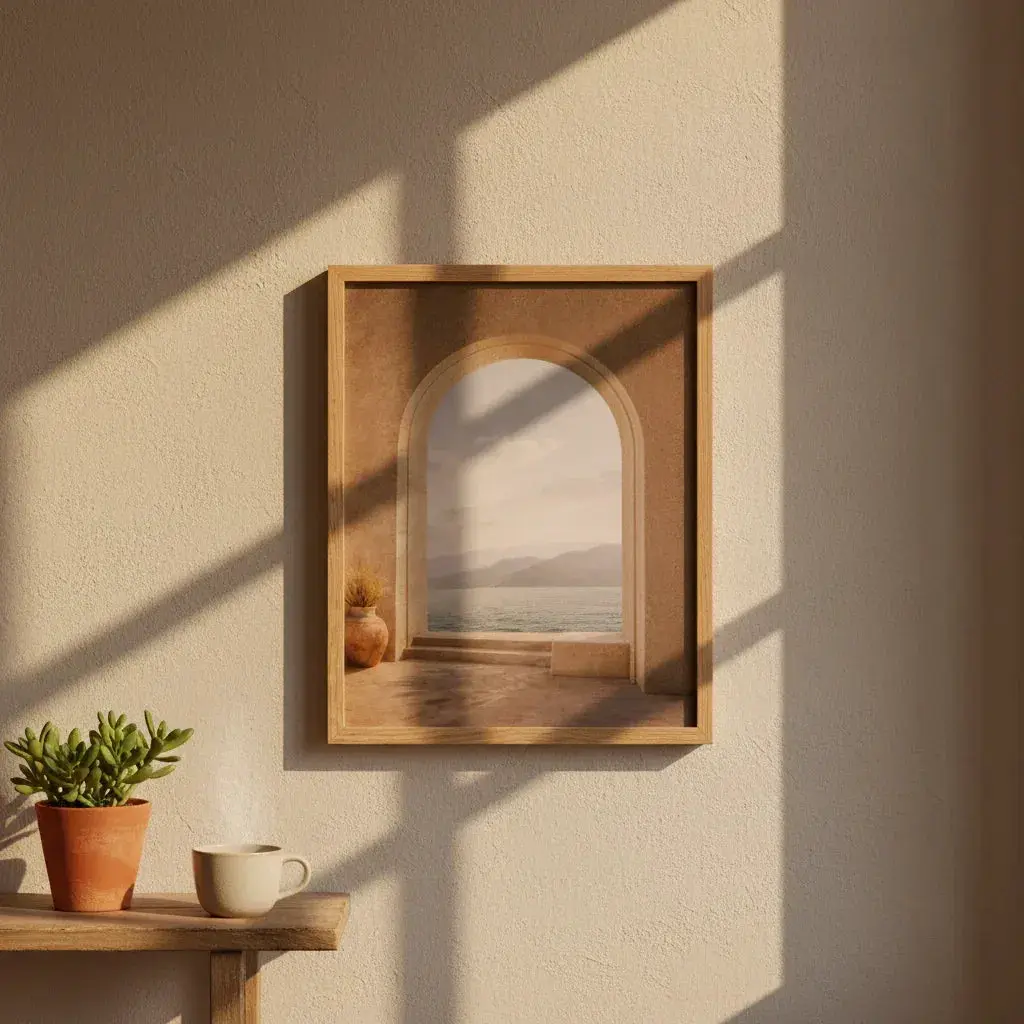
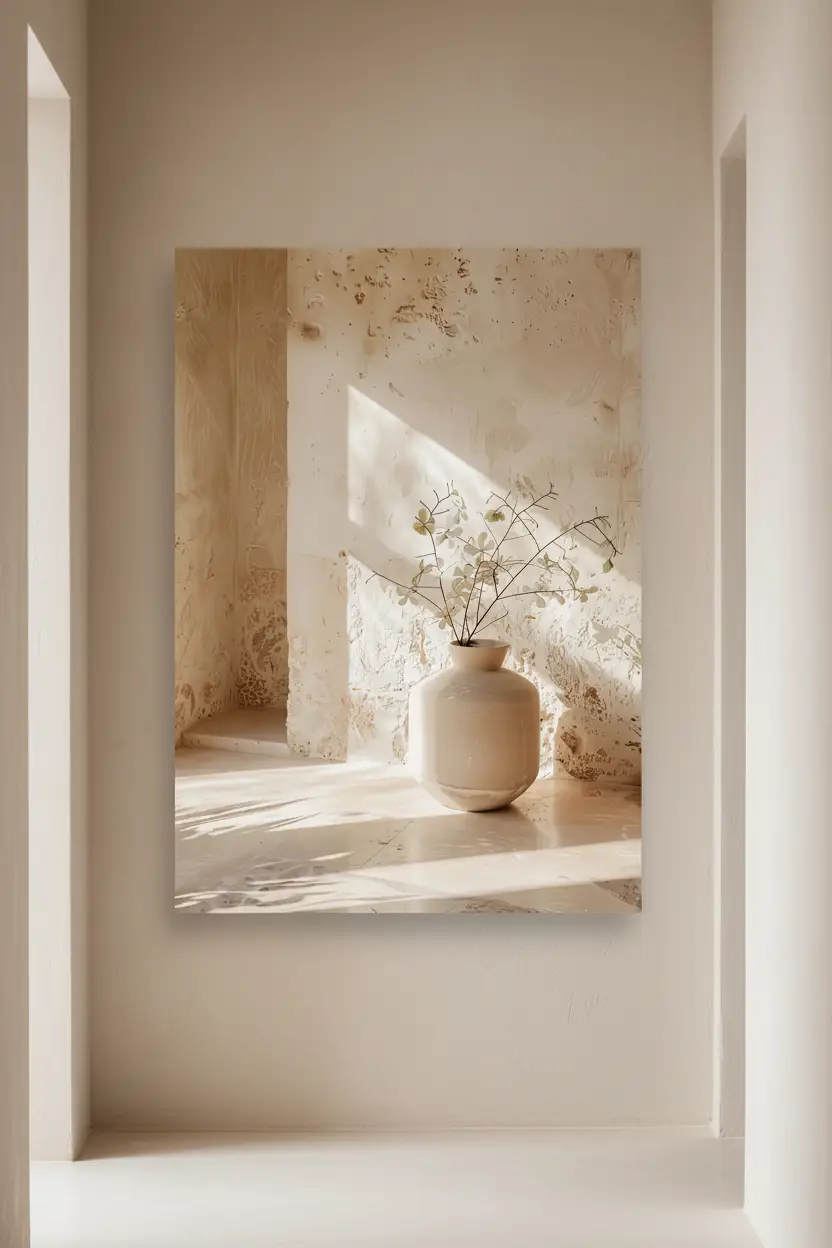
The Hollow Stone — from 39 €
Which wall art for a zen atmosphere
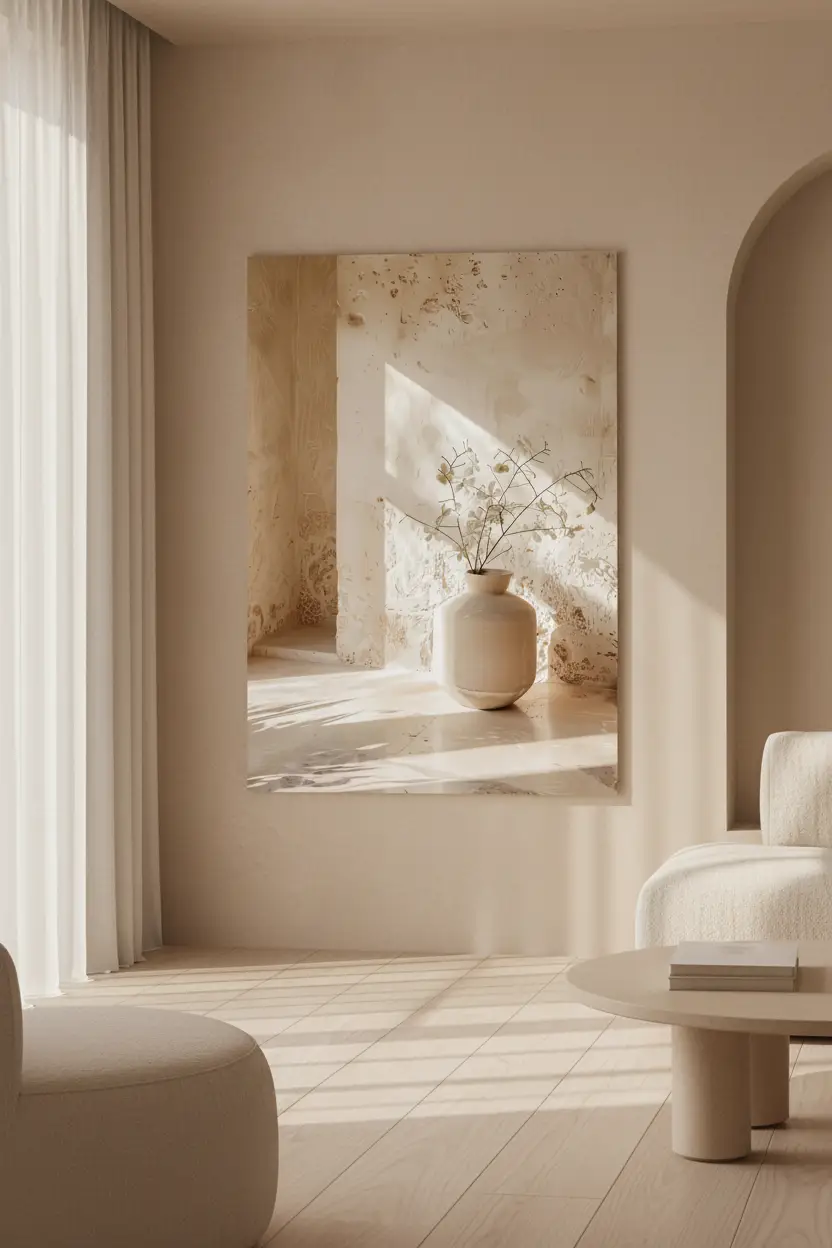
Wall art is often what tips a room into calm — or out of it. The subjects that work have one thing in common: a single subject, with plenty of space around it. Balanced pebbles, a jar resting on a pile of stones, a bowl, a branch. The eye immediately finds where to settle, then rests in the emptiness that surrounds the subject.
Balance is the zen theme par excellence: stacked stones that hold together effortlessly express exactly what you want from a calming room. Rounded shapes help; sharp angles less so.
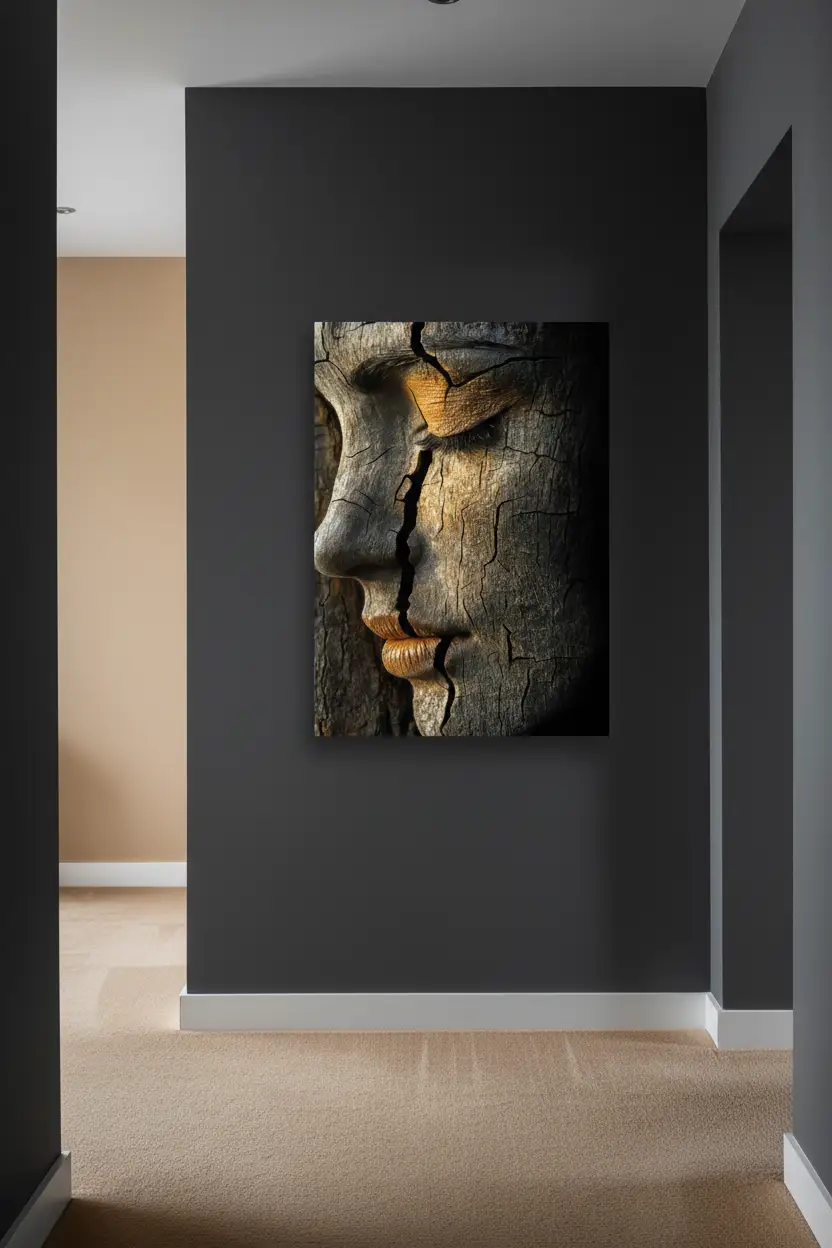
To avoid: text, very busy patterns, lively scenes and bright colours. A beautiful graphic poster may have its place in a living room, but not in a corner designed for unwinding.

The Balanced Jar — from 39 €

The Chalk Balance — from 39 €
Cassili-home
Three prints for a zen atmosphere
 The Stacked PebblesMatte paper · from 39 €View the print →
 The Hollow StoneMatte paper · from 39 €View the print →
 The Pampas BouquetMatte paper · from 39 €View the print →
Printed to order, delivered ready to hang within 7 to 10 days.
Room by room
The zen bedroom is the easiest to get right and the most important. A single large print above the bed, centred, in ivory or sand tones; nothing else on the wall. The last thing your eyes rest on before sleep should be something calm. Our bedroom wall art page brings together the right sizes.
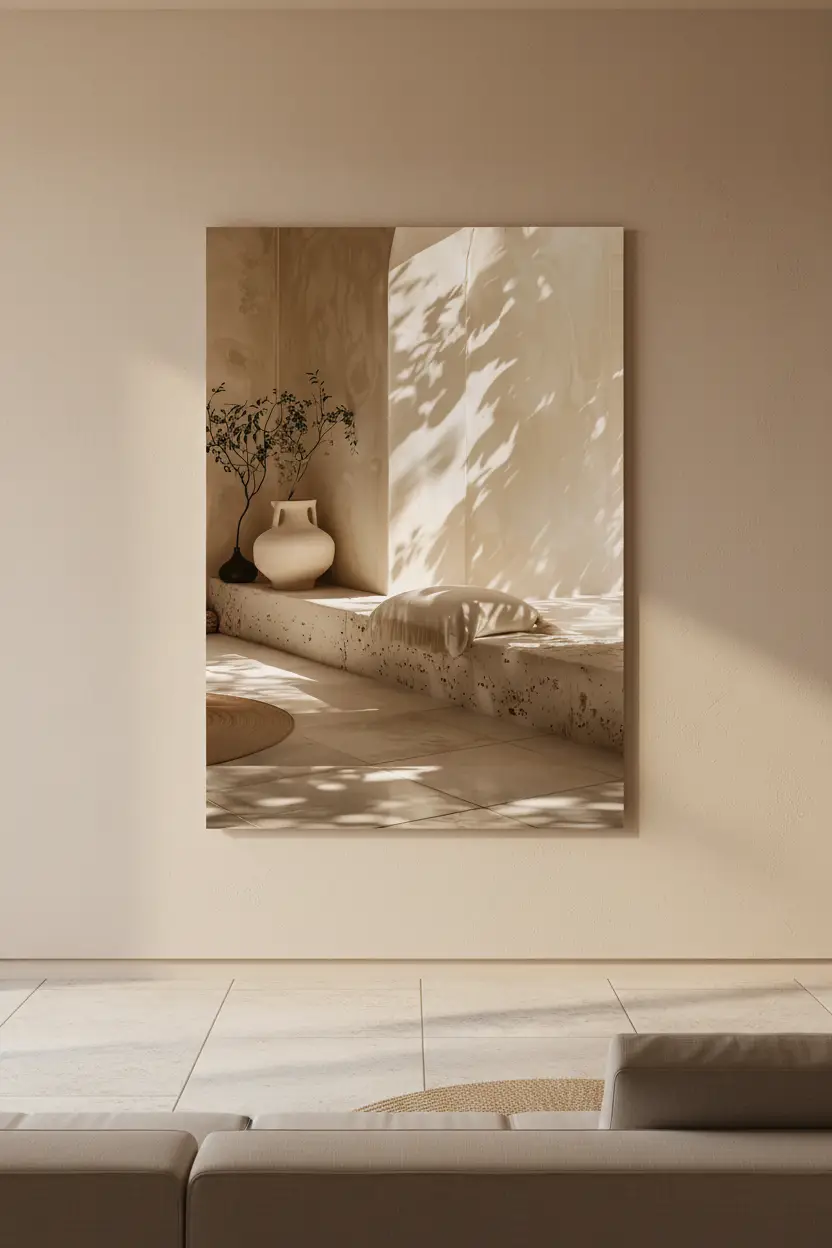
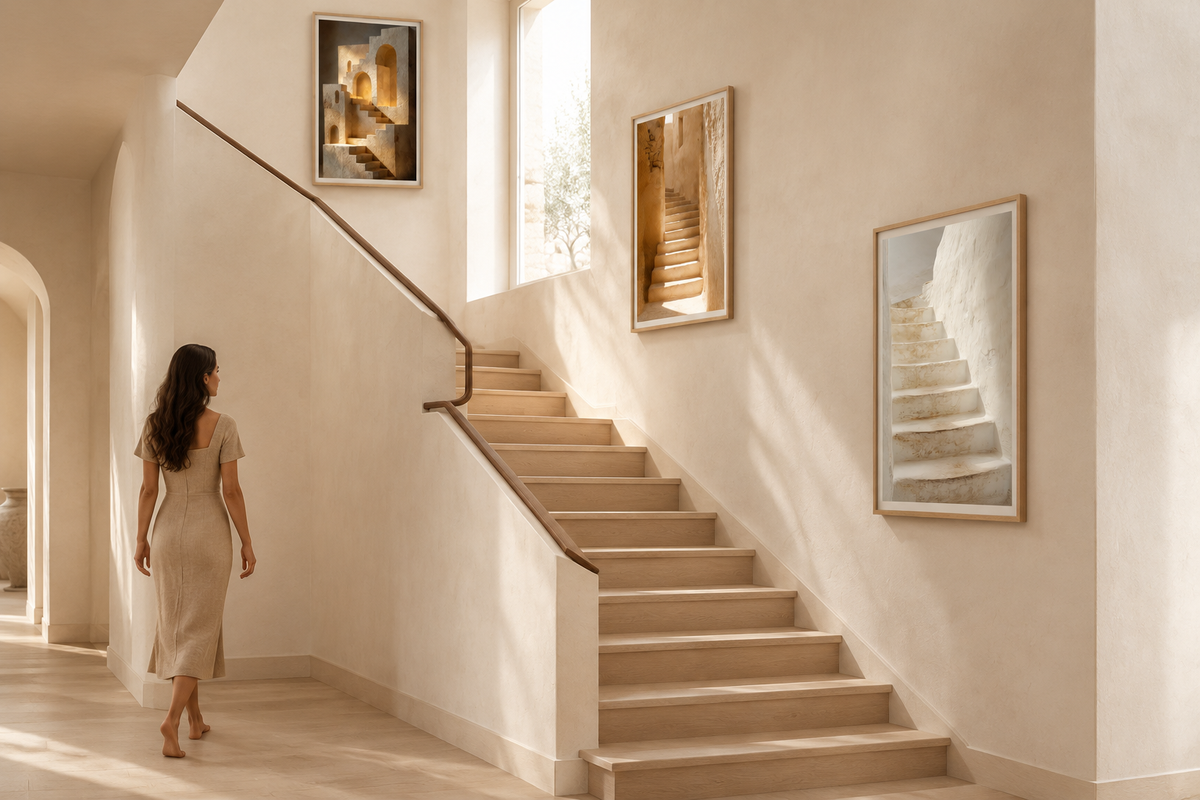
The zen living room calls for resisting the urge to accumulate. One large print rather than a wall of frames, a low sofa in natural tones, a clear coffee table. If you want several images, choose three pieces of the same size and palette, lined up: regularity is soothing.
The home office is where calm is needed most and thought about least. An image placed in front of you, rather than behind, gives your eyes a resting point between screens.
The bathroom or meditation corner can take the most mineral subjects: stone, water, pebbles. This is where the palette can be at its most pared-back.

The Travertine Bowl — from 39 €
Zen, japandi, wabi-sabi: what sets them apart
The three words often overlap. Zen is an atmosphere: calm, order, chosen emptiness. Japandi is a defined style that combines Japanese simplicity with Scandinavian comfort — see our guide to japandi style. Wabi-sabi is a philosophy of imperfection and of materials that age, explored in our wabi-sabi article. You can create a zen atmosphere in a Mediterranean, japandi or wabi-sabi interior: it is a matter of restraint, not of origin.

Three Silences — from 39 €
Mistakes to avoid
Confusing zen with a collection of “zen” objects: Buddhas, bamboo, decorative pebbles and incense on the same shelf produce the opposite effect. Painting everything a cold white, which makes the room clinical rather than calming. Multiplying small frames. And choosing a print for its theme without looking at its composition: a very busy “nature” image is still a busy image.
In short
A zen atmosphere is built by taking away more than by adding: few objects, a palette of beige, sand and stone, natural materials, soft light. On the wall, a single subject surrounded by emptiness — pebbles, stone, a bowl, a branch — ideally in a large format. To put it together, explore our Minéral collection and our travertine prints, or discover the overall approach on our minimalist decor page.
Discover the Minéral collection →
FAQ — Zen decor
What colours work for zen decor?
Tones that ask for nothing: beige, sand, ivory, stone, pale earth. A small touch of olive or sage green brings in the natural world. Avoid strong contrasts and saturated colours, which grab the eye instead of resting it.
What wall art suits a zen room?
A single subject, surrounded by plenty of empty space: balanced pebbles, a stone, a bowl, a branch. Rounded shapes and calm compositions soothe; busy patterns, text and lively scenes do the opposite.
How many pieces of wall art in a zen bedroom?
Often just one. A large print above the bed, centred, in ivory or sand tones, is enough to set the tone. A wall of frames, however beautiful, multiplies the points of focus — the opposite of what you are looking for.
What is the difference between zen, japandi and wabi-sabi decor?
Zen describes an atmosphere: calm, order, chosen emptiness. Japandi is a specific style that combines Japanese simplicity with Scandinavian comfort. Wabi-sabi is a philosophy of imperfection and of materials that age. All three come together in natural materials and restraint.


Leave a comment
This site is protected by hCaptcha and the hCaptcha Privacy Policy and Terms of Service apply.