
How to Enhance Natural Light in Your Home: The Complete Guide | Cassili-home
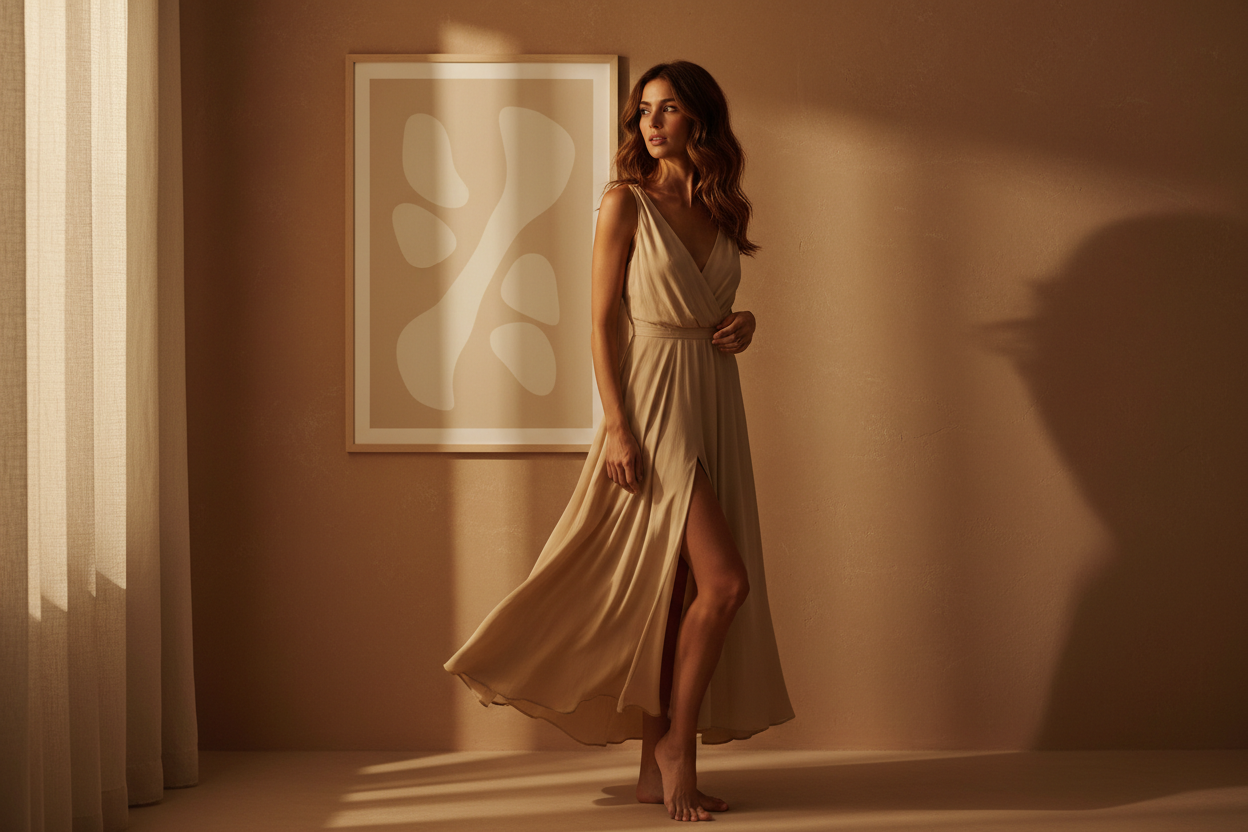
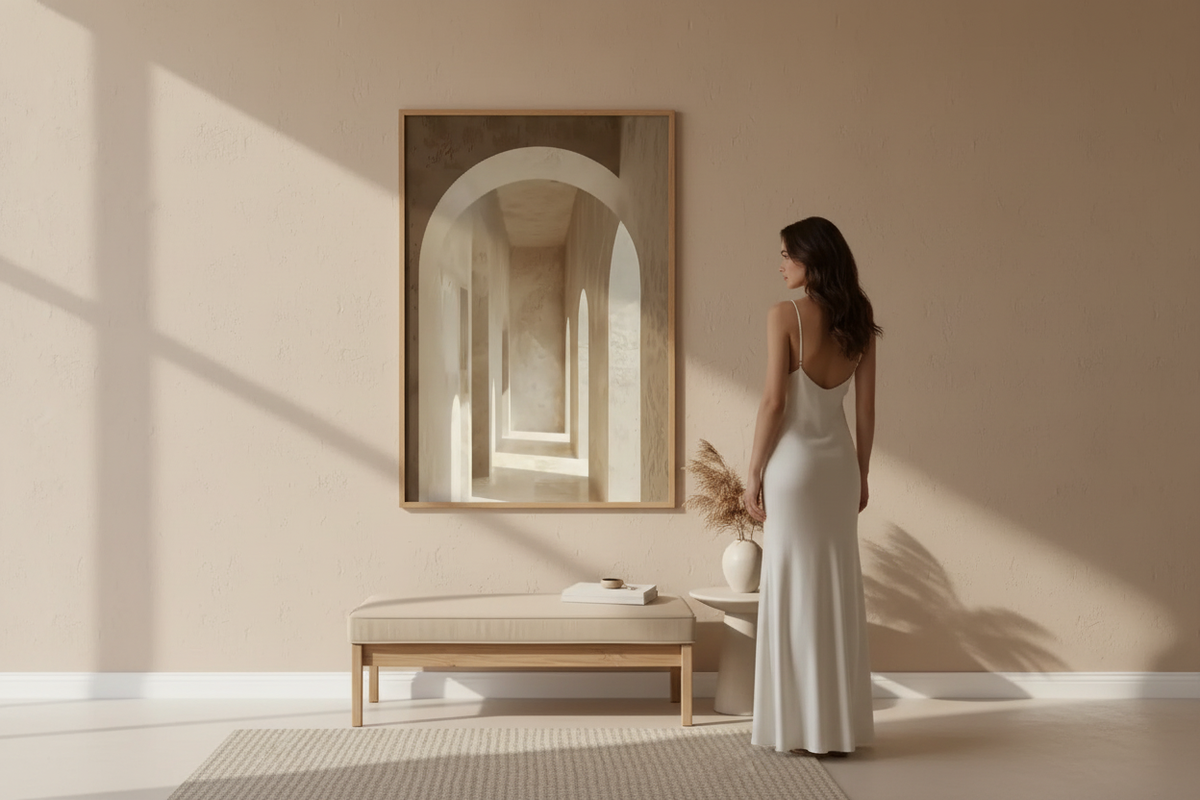
There are mornings when the natural light comes in through the window and transforms everything. The beige wall turns golden. The linen of the sofa takes on a new depth. The poster hanging opposite seems to breathe. It is not magic — it is natural light, well handled.
1. Understanding the light in your space before you decorate
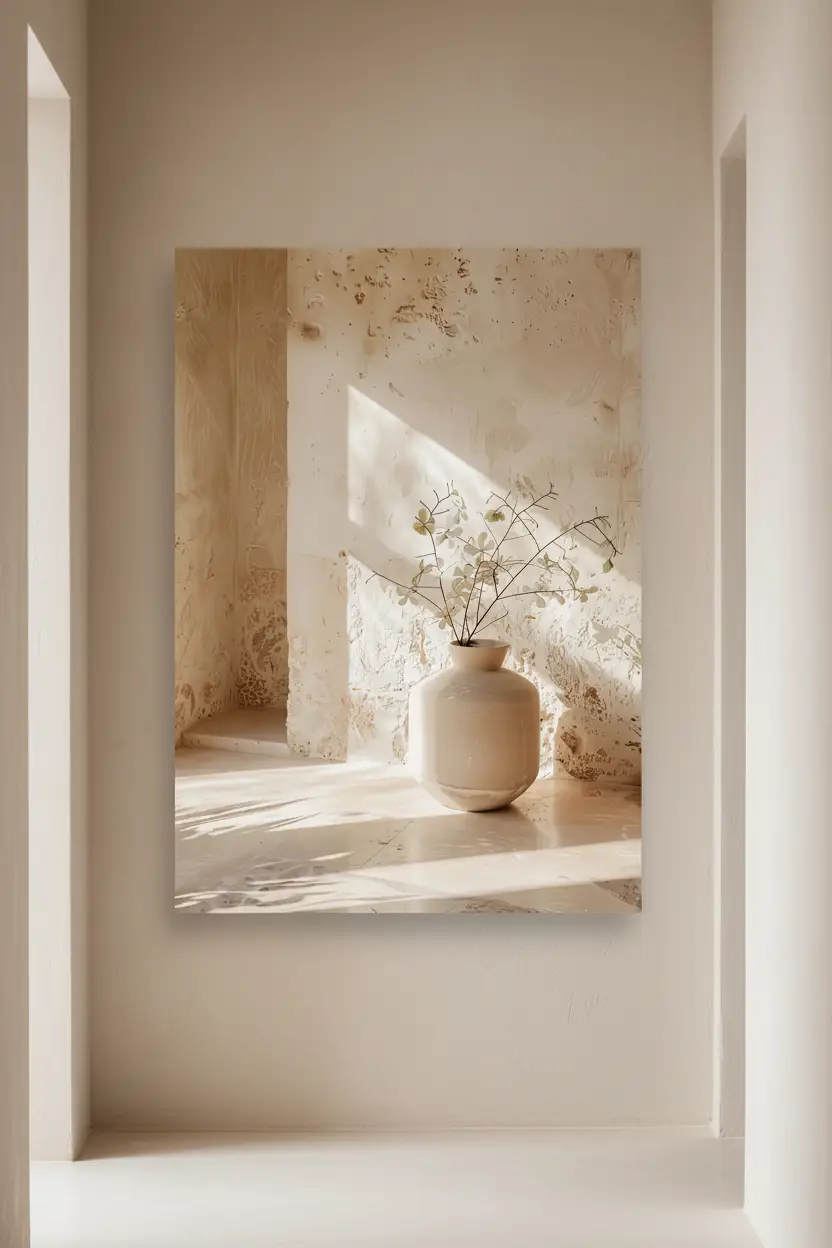
Before buying anything, observe. A room facing due south receives warm, direct light — it can carry deep tones and high-contrast posters. A north-facing room receives cool light — it needs pale tones and a poster from the Lumière collection to warm up the atmosphere.

2. The colours that amplify natural light
The rule is simple: the paler and more matt a surface, the more it diffuses natural light.
- Walls: off-white, sand beige, pale linen, warm pearl grey
- Floors: light wood, pale polished concrete, matt white tiling
- Textiles: natural linen, unbleached cotton, white voile
For inspiration, read our article on Mediterranean wall decoration.

3. Mirrors and reflective surfaces: doubling the light
A well-placed mirror can literally double the brightness of a room — facing a window, in a dark hallway, or beside a source of artificial light.
4. Textiles: filtering without blocking
Curtains are often the first enemy of natural light. The solution: sheer panels in washed linen, light cotton or natural muslin, which filter direct light and make it soft and enveloping.

5. Wall art as a light amplifier
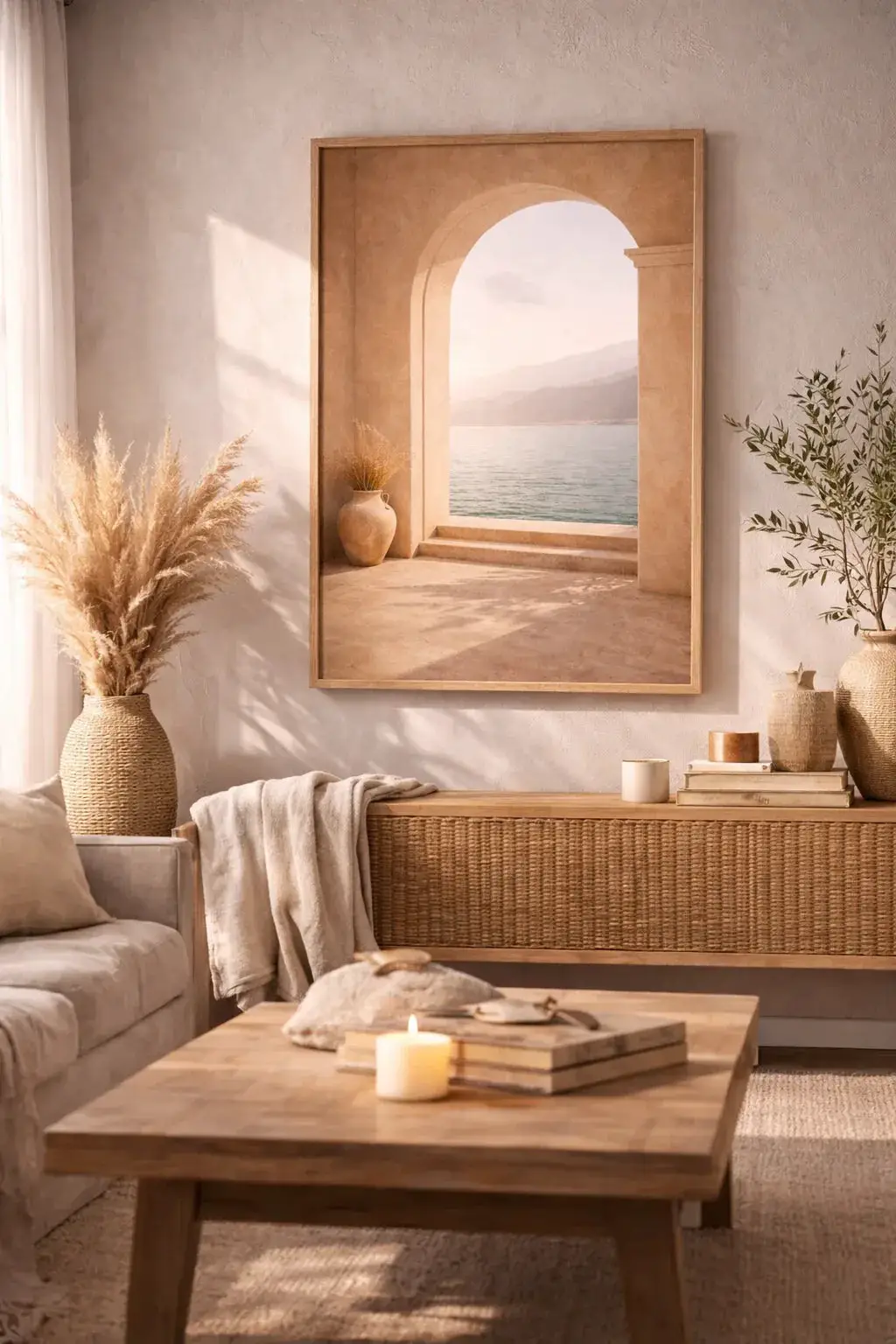
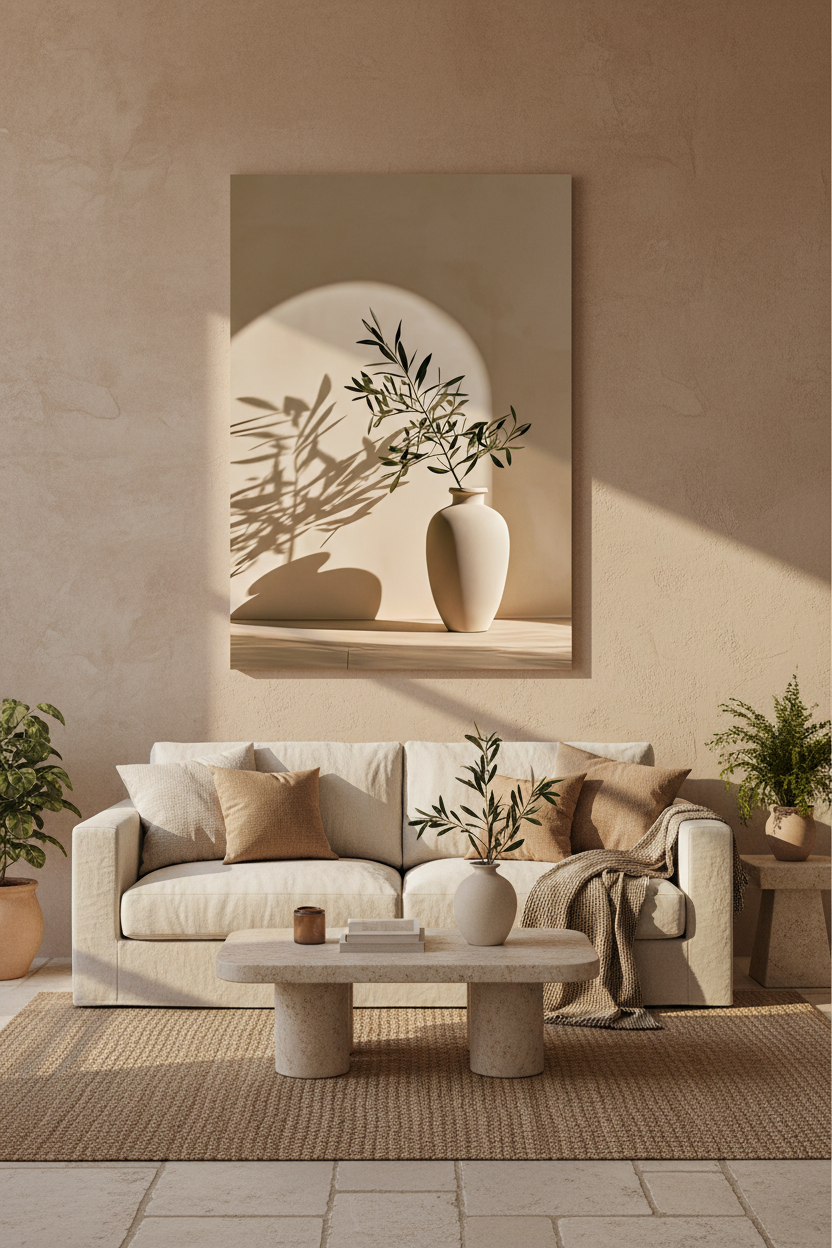
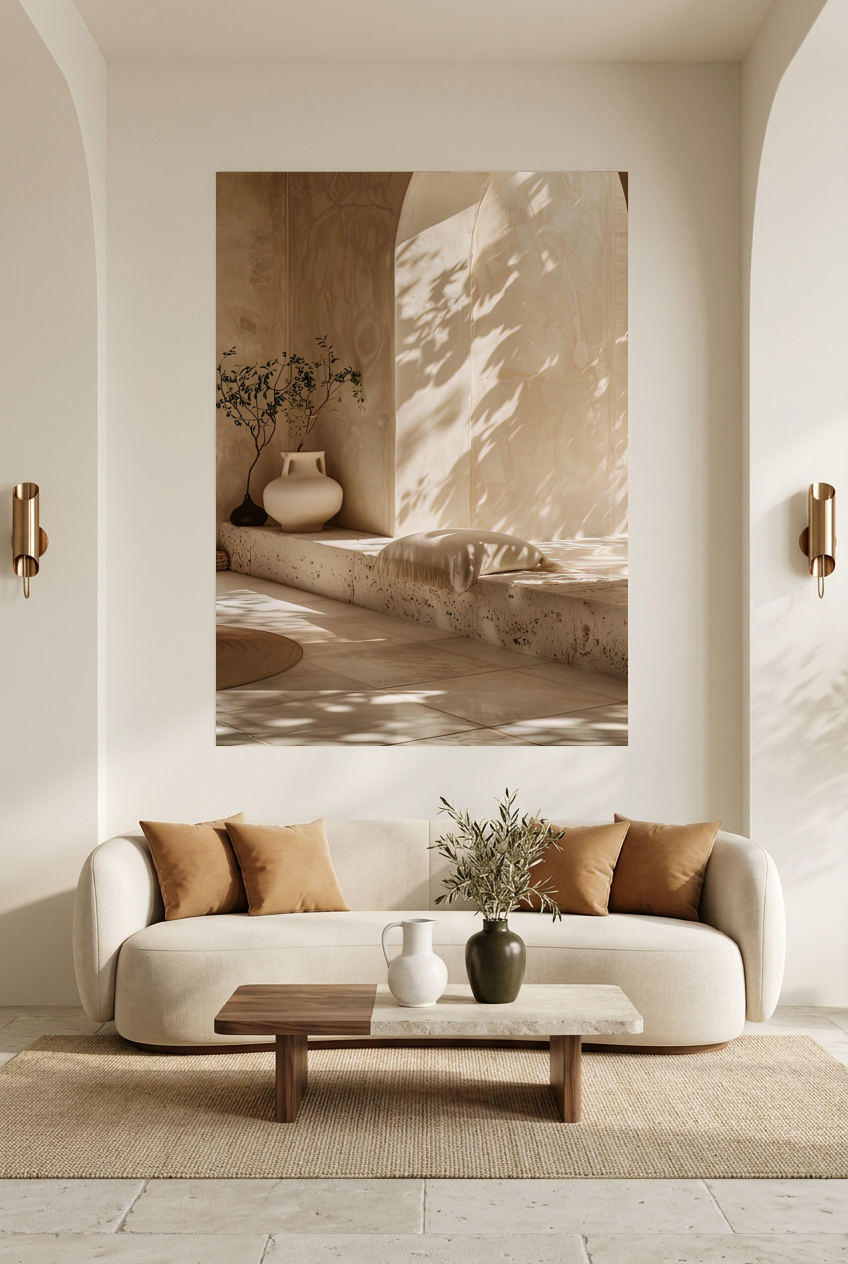
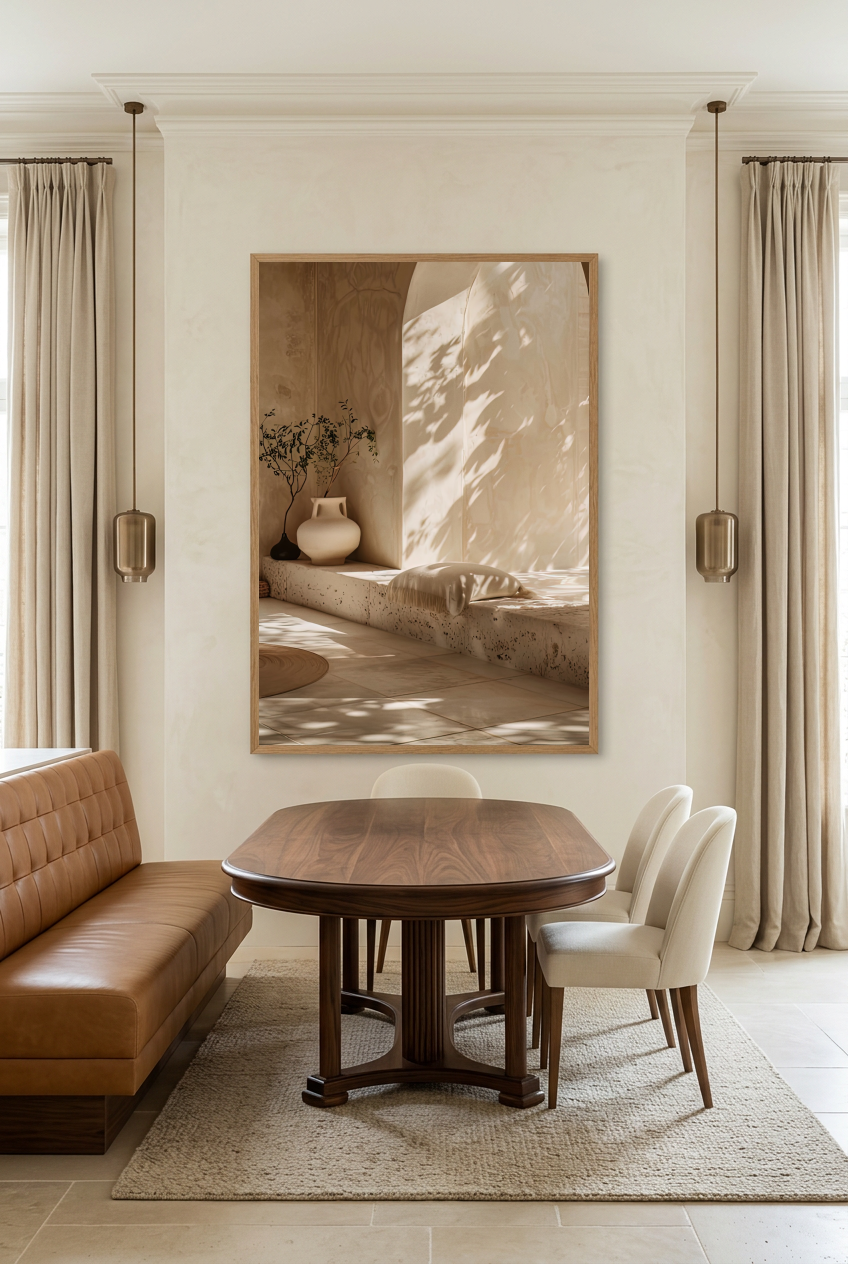
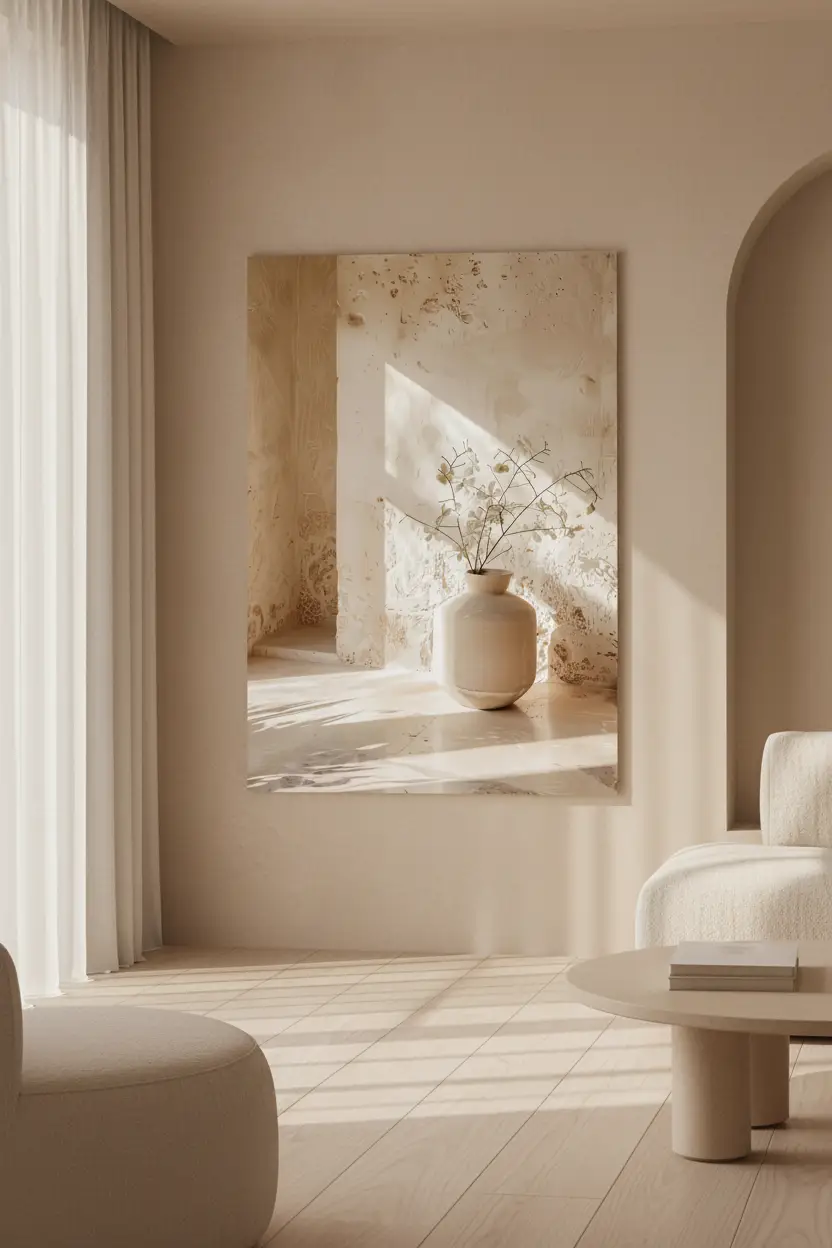
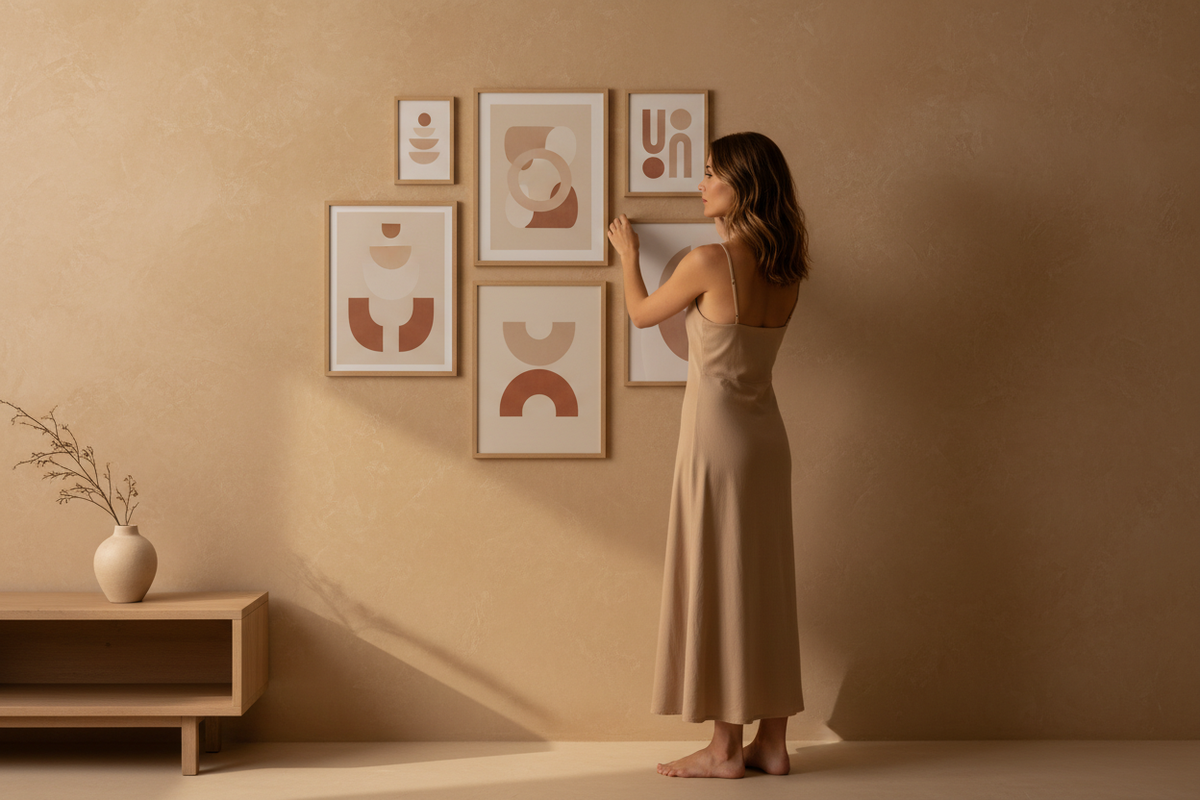
A well-chosen wall poster can warm up a cold room, visually enlarge a space or create a focal point that guides the eye. In a living room with windows on both sides, a large-format poster from the Lumière collection creates a dialogue with the window. Read our guide on how to choose your wall poster room by room.

6. Mistakes to avoid
Too much dark furniture in a room that gets little light. Curtains that are too long and block the bottom of the window. Bulbs that are too cool. Overlooking the reflections on the floor.
7. Positioning furniture to free up the light
The layout counts as much as the colours. Move tall furniture away from windows, and favour low pieces and seating on legs that let the light through at floor level. Clear space around the sources of light gives an immediate impression of brightness and breadth.
8. Adapting the light room by room
Every room has its own needs. The living room, often with windows on two sides, gains from multiplying its sources; the bedroom calls for soft, subdued light; the office needs clear but warm light, so you can stay focused without tiring your eyes. To match the poster to each mood, rely on our guide to how to choose your wall poster room by room.
Frequently asked questions
How do you light a room without a window?
Multiply the warm, indirect sources — floor lamps, wall lights, table lamps — and play on pale surfaces and mirrors to circulate the light. A poster in luminous tones visually warms up a windowless room.
Which wall colour to gain brightness?
Pale, matt shades diffuse light best: off-white, sand beige, pale linen, warm pearl grey. Avoid glossy finishes, which create reflections, and cool tones, which snuff out the warmth of natural light.
Which poster for a dark room?
Choose a poster in pale, warm tones — sand, ivory, soft ochre — or a motif that evokes the raking light of the south. It visually compensates for the lack of natural light and warms up the atmosphere.
Bring out the light in every room: wall posters for the bedroom and wall posters for the living room.
Conclusion: light, the first material of your decoration
Natural light is the first material of any beautiful decoration. Discover our Lumière collection and our Architecture collection. Read our article too on Mediterranean inspiration in decoration.



Leave a comment
This site is protected by hCaptcha and the hCaptcha Privacy Policy and Terms of Service apply.