

Diptych, triptych or single poster: which to choose for your wall?
Faced with a blank wall, one question comes before the choice of image: a single large poster, or several panels that echo each other? A single poster, a diptych and a triptych don't create the same effect and don't suit the same wall. Here's how to decide based on what's right in front of you: the width of the wall, the furniture that goes with it and the distance it's seen from.
Three ways to fill a wall
A single poster draws the eye to one place: one image, one focal point, nothing to align. A diptych spreads a scene across two panels of the same size; it covers more width and sets up a rhythm, the one created by the gap between the two images. A triptych takes this logic to three panels and dresses the longest walls.
The deciding factor is the shape of the wall more than its area. A large vertical poster draws a wall upward; two or three panels side by side stretch it sideways. So a tall, narrow wall calls for a single image, while a long, low wall above a sofa calls for several panels.

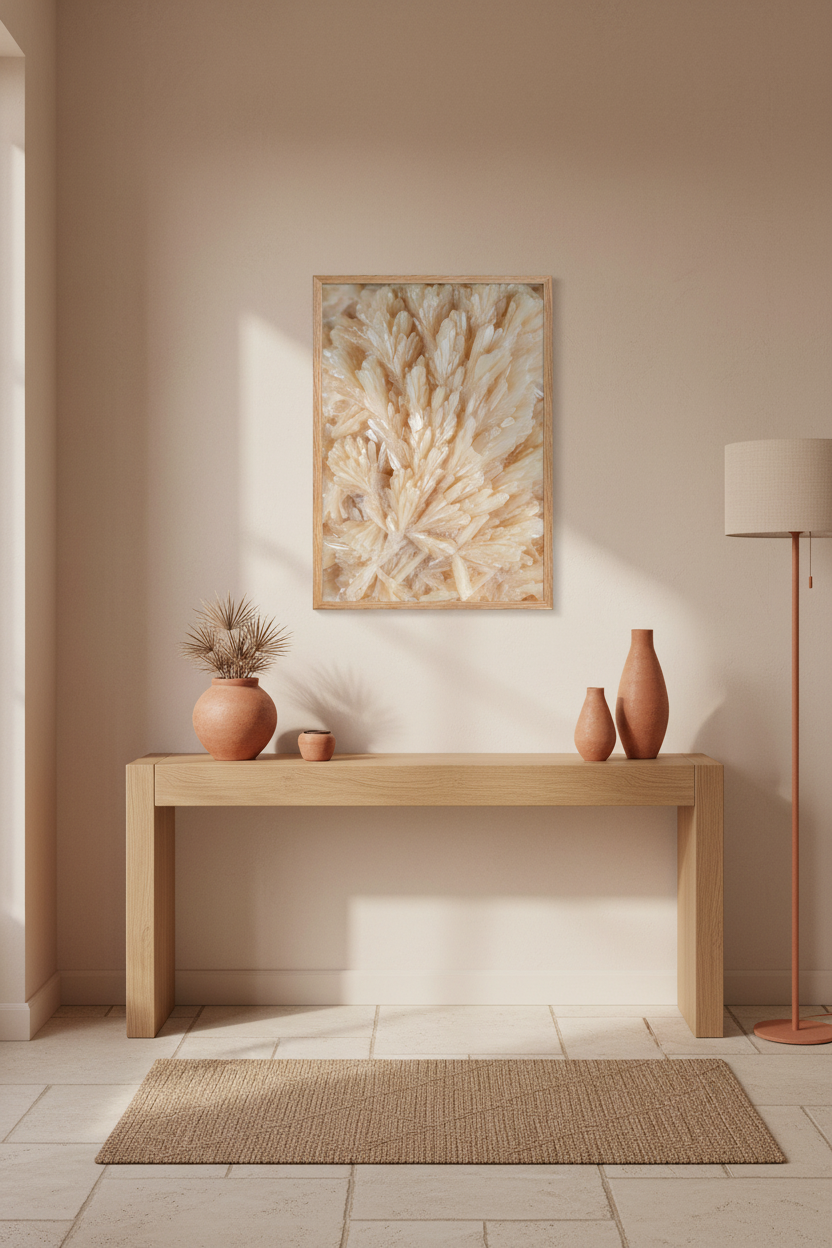
The Two Rocks — from €35
The single poster: one focal point, a narrow wall
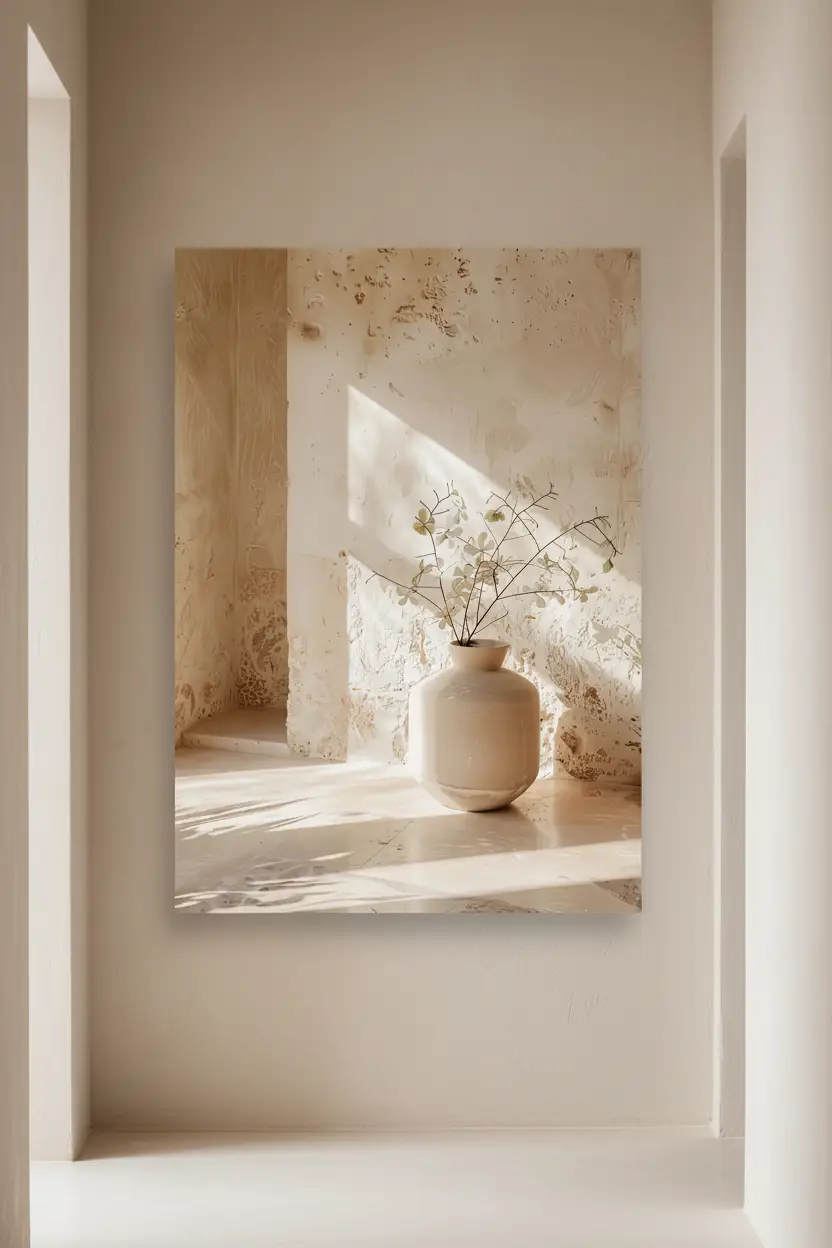
Choose a single poster when the wall is taller than it is wide: between two windows, next to a door, at the end of a hallway. It also suits walls seen from a distance, like the back wall of a room or a landing: one large image reads better from afar than two smaller panels.
It's also the easiest option to hang, with just one height to set and nothing to align. And the most flexible for later on: a single poster easily finds its place in a future gallery wall.
The diptych: one scene in two parts
The diptych is made for long, low furniture: sofa, sideboard, headboard, console. Where a single poster would leave large empty spaces on each side, the two panels cover about two thirds of the furniture's width, the proportion that balances the whole arrangement.
Its second strength lies in the way it reads. Our diptychs are composed as a single scene: the same place, the same light, two viewpoints. In The Limestone Coast, a white cliff faces a wind-bent pine on the same stretch of coast, and the horizon runs from one panel to the other at the same height. The gap between the two images is part of the composition.

The Limestone Coast — from €35
It can also be split up. The two panels can frame a window, or hang one above each bedside table on either side of the bed: the scene carries on from one side to the other. A still life such as The Stone Sideboard, where a vase with an olive sprig and a bowl of figs share the same shelf, lends itself well to this.

The Stone Sideboard — from €35
As for budget, a diptych costs a little less than its two panels bought separately: from €35 as posters and from €89 framed, while a single panel starts at €19.
The triptych: for the longest walls
Three panels cover more width, and their odd number creates a natural center: the middle panel. It's the choice for large sofas, long dining tables, hallways you walk along and walls over two meters wide. On an average wall, however, three panels force you to go down a size, and each image ends up small.
A triptych also calls for more precision when hanging: two gaps to keep identical, three panels to align. On a wall interrupted by a light switch or an outlet, or in a room where you're still unsure where the furniture will go, a diptych leaves more room for error. Our triptychs are gathered in a dedicated collection.
Measure before you choose
Measure the width of the furniture, or of the wall if it's bare, and take two thirds of it: that's the width to aim for with the whole set, gaps included. Then compare it with the real width of each option. With a 6 cm gap, a diptych of unframed posters measures:
- 48 cm in 21 × 30 and 66 cm in 30 × 40;
- 90 cm in A2 and 106 cm in 50 × 70;
- 125 cm in A1, 128 cm in 61 × 91 and 146 cm in 70 × 100.
Above a 2 m sofa, aim for about 1.30 m. A single 70 × 100 poster covers only 70 cm of that, whereas an A1 or 61 × 91 diptych is just right. Above a one-meter chest of drawers, the target is about 66 cm: a 30 × 40 diptych, or a single 70 × 100 poster if you prefer a vertical look and the ceiling height allows it.
The full size chart, hanging height and choice of frame are covered in detail in our wall diptych guide.

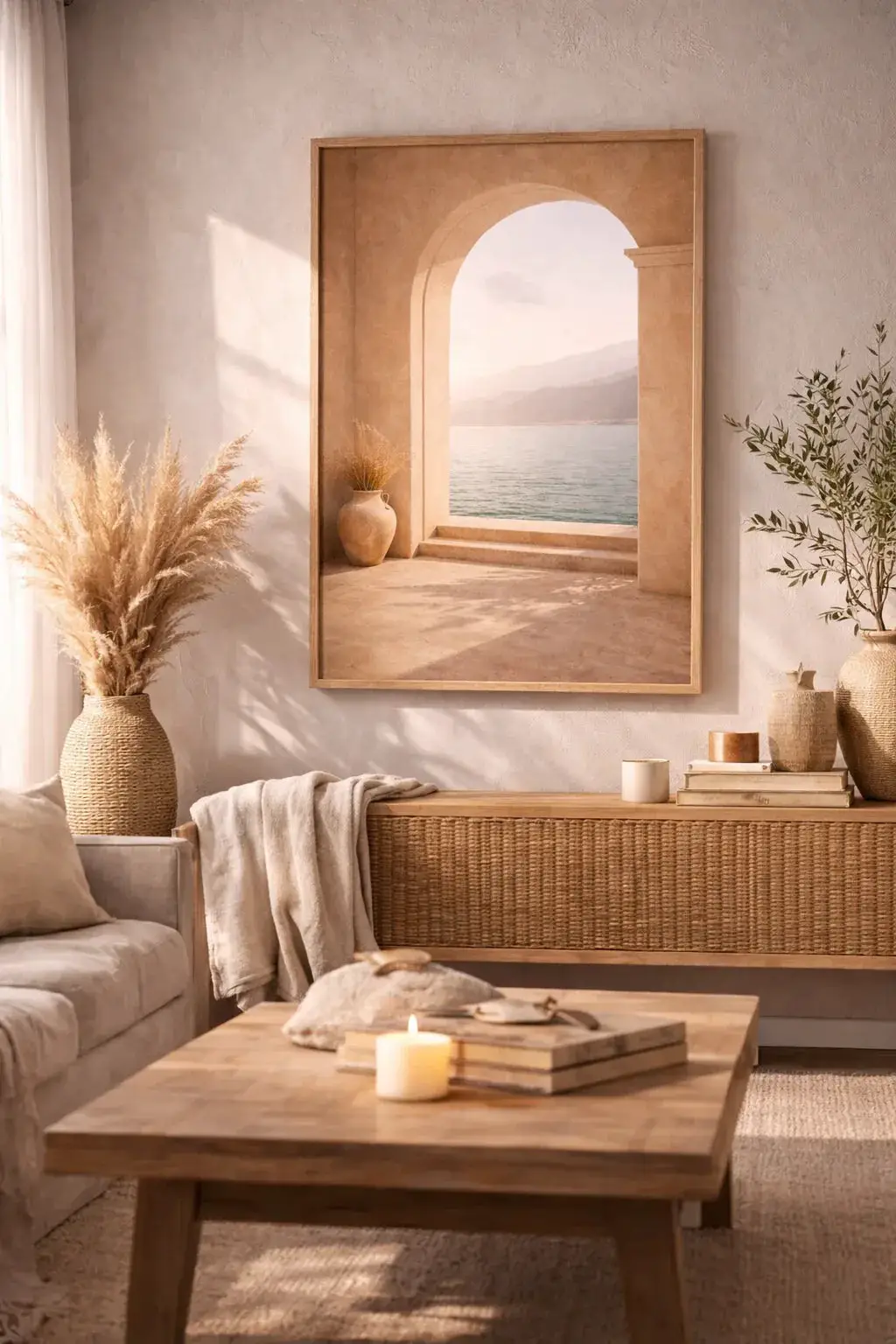
The Room by the Sea — from €35
Room by room
Living room: above the sofa, a diptych is the safest choice; a triptych makes sense for a sofa over two meters long or a very long wall. Bedroom: a diptych above the headboard, or its two panels split between the bedside tables. Entryway and hallway: often narrow, they call for a single poster, or a small diptych above a console. Dining room: along a table or a sideboard, a diptych or a triptych depending on the length. Our living room wall poster, bedroom and entryway pages offer ideas room by room.

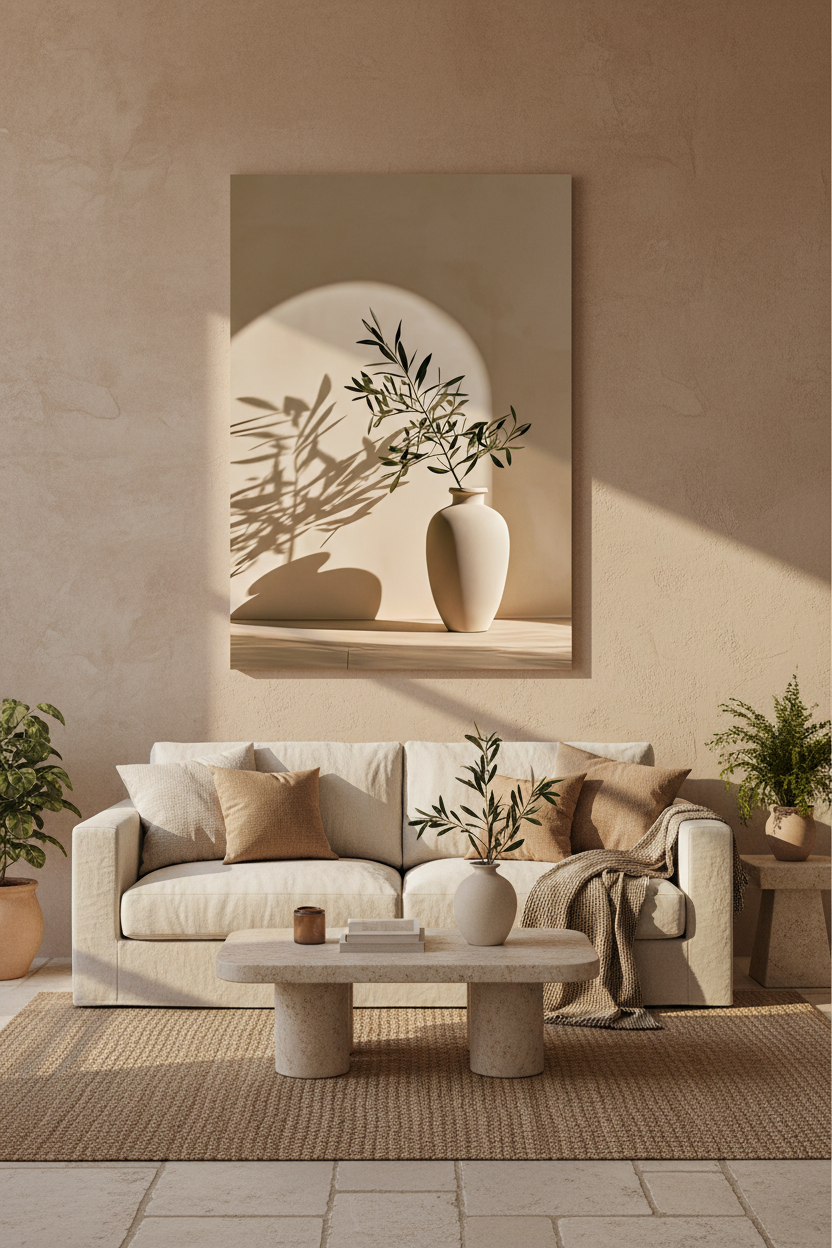
The Shaded Patio — from €35
Cassili-home
Three diptychs for a first wall
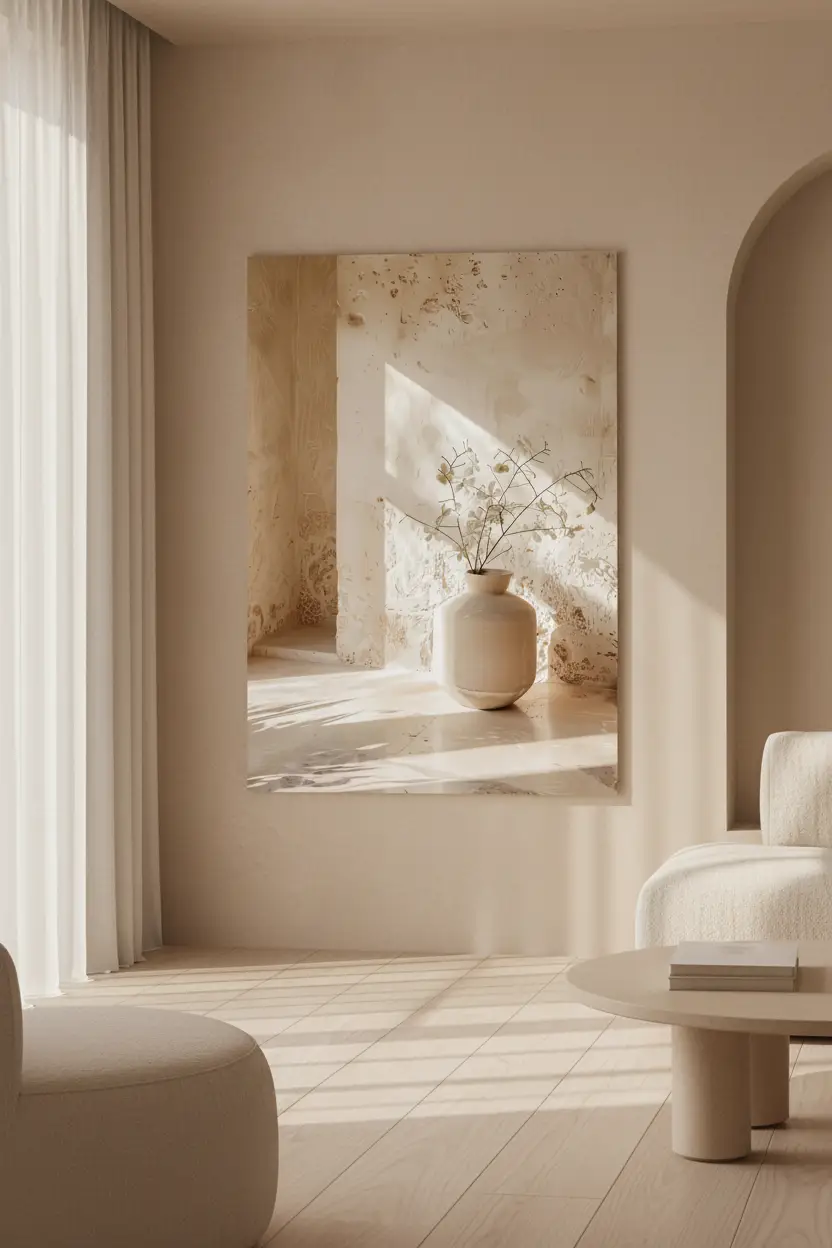
 The Whitewashed ArchesDiptych · from €35View the diptych →
 The Clear CoveDiptych · from €35View the diptych →
 The Patio LemonsDiptych · from €35View the diptych →
Printed to order, as posters or framed, and delivered within 7 to 10 days. Free shipping from €49.
Mistakes to avoid
Choosing a diptych that is too small for the furniture: two 21 × 30 panels above a 2 m sofa get lost. Spacing the panels 20 or 30 cm apart to “fill” the wall: the scene breaks into two unrelated posters. Mixing two frame colors in the same set. Hanging too high above furniture: beyond 25 cm, the link between the furniture and the images disappears. And, for a triptych, judging the gaps by eye: measure them, since a one-centimeter difference between the two is noticeable.
In short
A single poster for a narrow wall, a focal point or a wall seen from afar. A diptych for long furniture — sofa, sideboard, headboard — or for a scene that gains from being read in two parts. A triptych for walls over two meters wide. In every case, start from the width: about two thirds of the furniture, gaps included. The exact measurements are in our wall diptych guide and the hanging method in our hanging guide. To try out several layouts before buying, use the gallery wall configurator.
FAQ — Diptych, triptych or single poster
What is the difference between a diptych and two posters side by side?
The two panels of a diptych are designed together: same size, same light, same palette, and a scene that continues from one to the other. Two posters chosen separately may go well together, but nothing guarantees that their horizons or tones will match. At Cassili-home, a diptych also costs a little less than its two panels bought separately.
How much space should you leave between the two panels of a diptych?
Between 5 and 8 cm: around 5 cm for small sizes, 6 cm for A2 and 50 × 70, up to 8 cm for large sizes. Any less and the panels look stuck together; any more and they read as two separate posters.
What size diptych above a sofa?
Aim for about two thirds of the width of the sofa, gap included. For a 160 cm sofa, a 50 × 70 diptych (106 cm wide with a 6 cm gap); for a 2 m sofa, an A1 (125 cm) or a 61 × 91 (128 cm). Leave 20 to 25 cm between the top of the sofa back and the bottom of the panels.
Diptych or triptych above a bed?
For a 140 to 160 cm headboard, an A2 (90 cm) or 50 × 70 (106 cm) diptych follows the two-thirds rule. A triptych makes sense for a wider bed on a large wall. Another option: split the two panels of a diptych and hang one above each bedside table.





Leave a comment
This site is protected by hCaptcha and the hCaptcha Privacy Policy and Terms of Service apply.